hy People Search for Salesforce Alternatives
Based on Salesforce's positioning and common user feedback, here are key pain points that often push businesses to explore alternatives
Feature overload and complexity
Salesforce packs many modules (sales, marketing, service, commerce, analytics), which can be overkill for small teams or pure-outbound sales workflows.



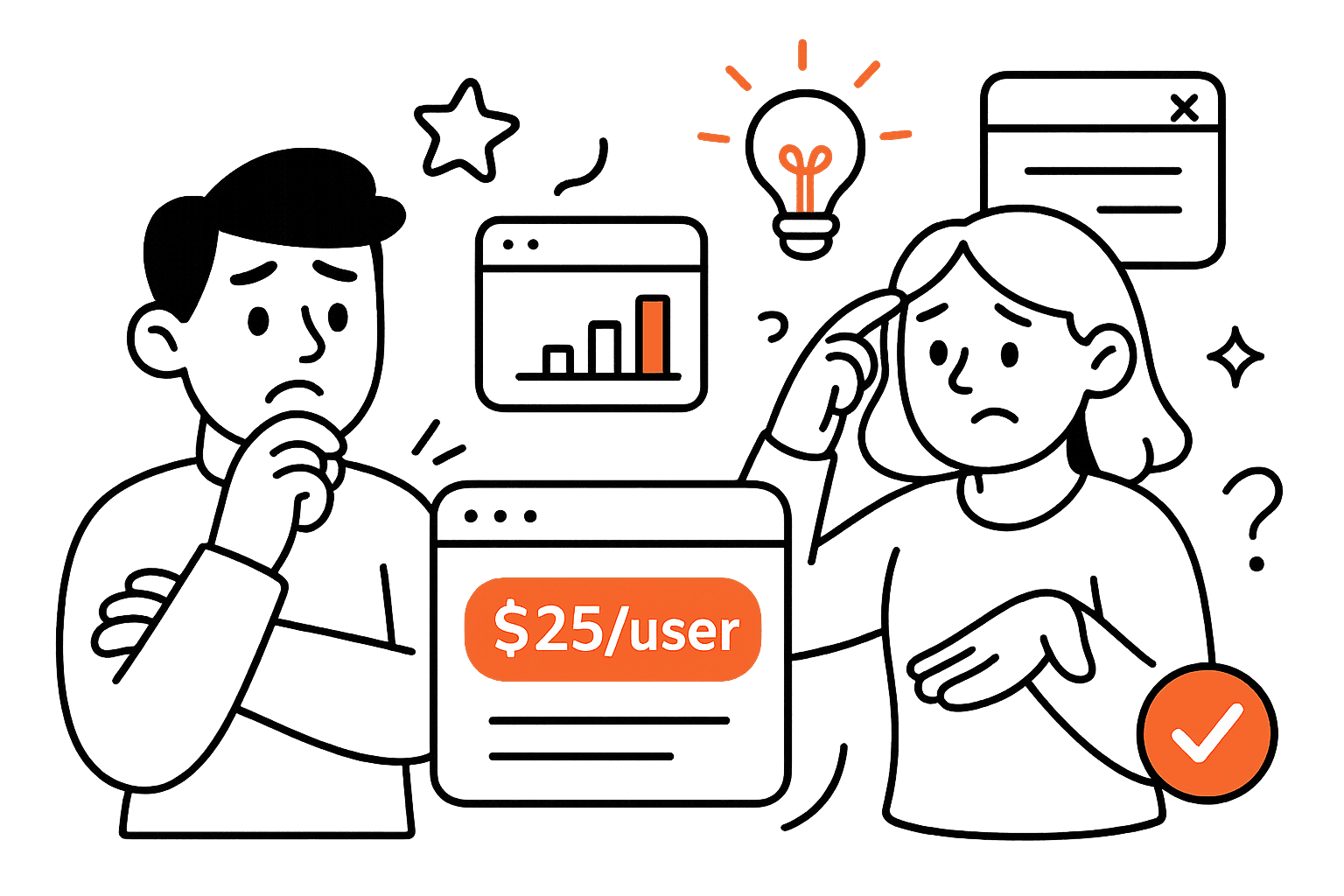
High cost per user
Even the "Starter" plans begin at $25/user/month; advanced tiers quickly become expensive per seat.



Steep setup and learning curve
Customizing Salesforce, configuring objects, pipelines, integrations and workflows demands time and sometimes technical resources.


Overkill for lean sales or outreach-heavy teams
If all you need is simple lead outreach, follow-ups, and pipeline tracking, Salesforce's full stack may feel bloated.


Outreach across newer channels (LinkedIn, WhatsApp) not native
Salesforce is strong in CRM, email marketing, service, and enterprise workflows, but many outbound teams need multichannel outreach beyond email.


What to Look for in a Good Salesforce Alternative
Before choosing a Salesforce alternative, make sure it offers


Top Salesforce Alternatives
Here are some of the best options depending on your needs

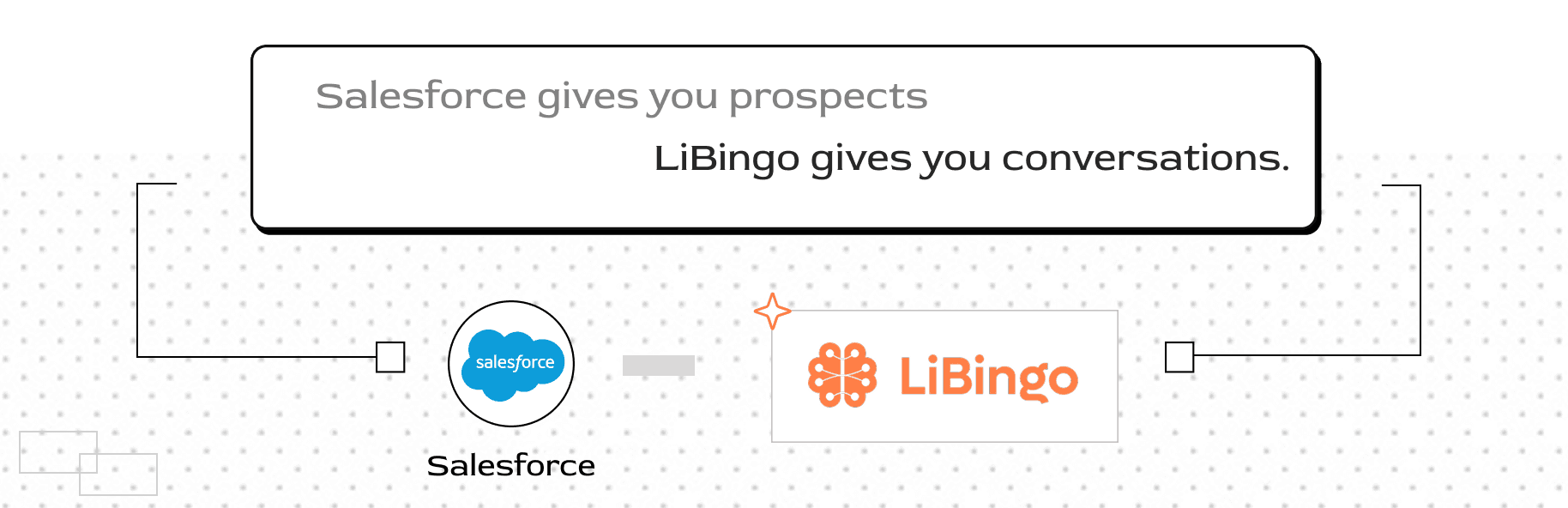
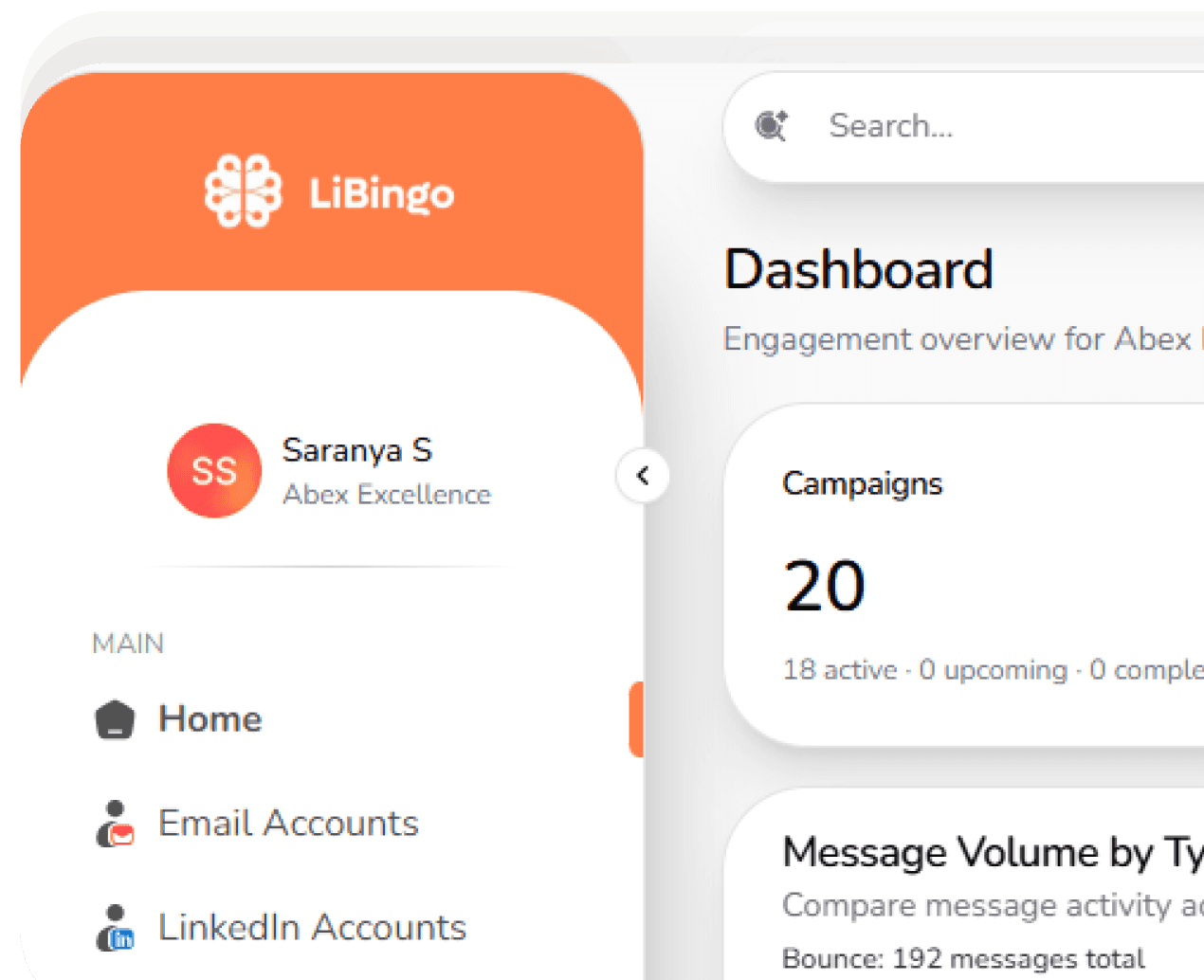
LiBingo
Unified outreach (Email, LinkedIn, WhatsApp), built-in CRM, automation, real-time analytics, clean UX, lower tool-sprawl

Salesforce
Highly customizable; all-in-one for marketing, sales, service, analytics; scalable for large teams and complex workflows
Zoho CRM
Cost-efficient, various modules, customizable, good for small businesses

Pipedrive
Easy to use; strong pipeline and deal management; lower cost than full-stack CRMs

Insightly
Combines CRM with projects and tasks; good for client work and sales pipeline
Libingo vs Salesforce: Feature Comparison
See how Libingo stacks up against Hubspot across the features that matter most.